
Film a month of reels in one morning
A shot list, two outfits and one window. Our content-day setup, scaled down so a solo founder can film around thirty clips before lunch.
 Jordan PriceContent & video lead
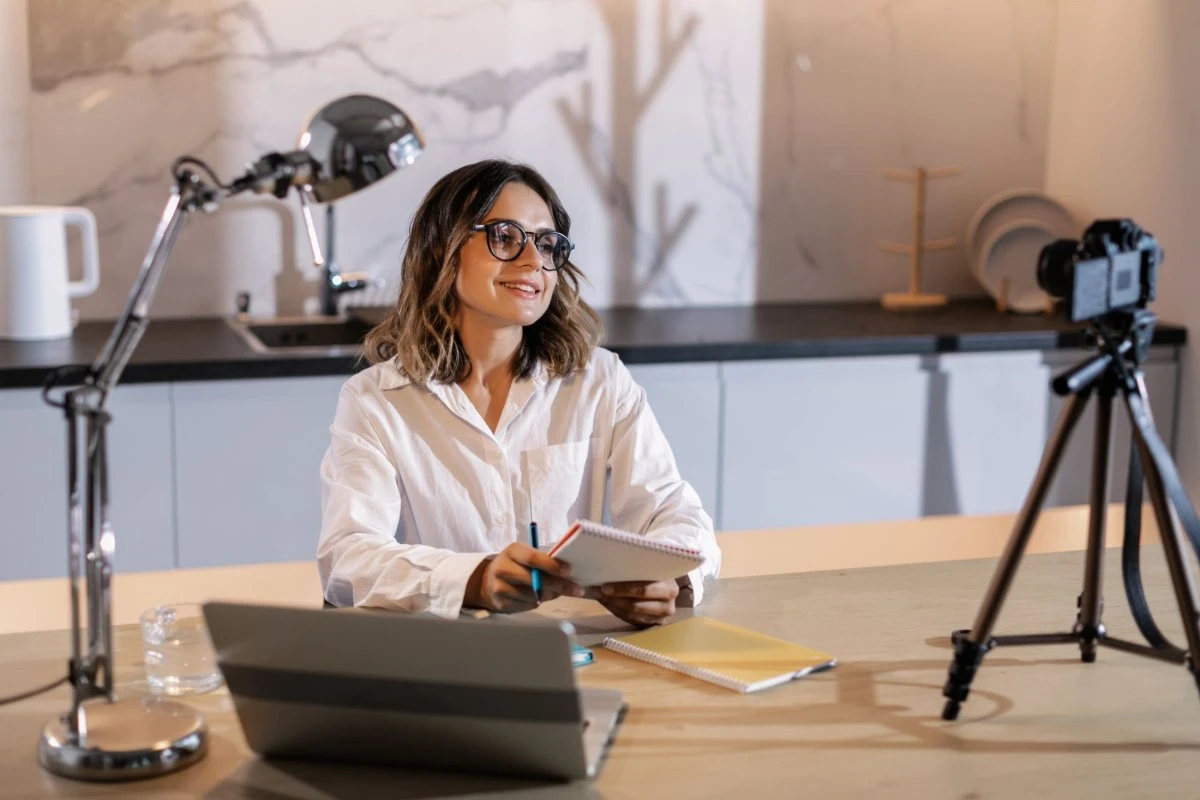
Most creators film one reel at a time. They set up the light, find the right outfit, get a decent take, then pack it all away. Tomorrow they do it again. Setup is where the energy goes, and it's the part you only need to do once.
At Hollr we run content days for studio clients: one shoot, thirty edited assets. You don't need a crew to borrow the idea. Here is the scaled-down version I give solo founders, and it fits into a single morning.
Why one morning beats thirty small sessions
Every time you start filming, you pay a warm-up cost. Your face stiffens, your delivery is flat and the first few takes are throwaway. If you film once, you pay it once, and the second reel is almost always better than the first.
Light is the other reason. Window light changes by the hour. Filming everything in a single window of time gives your feed a consistent look without any editing tricks.
The night before
A calm morning is built the evening before. Spend 45 minutes on these four things and the shoot itself will feel easy.
Write your shot list
List twelve to fifteen ideas, each on a single line. Aim for a mix of formats so your feed doesn't feel repetitive:
- Talking to camera: four short pieces, 20 to 40 seconds each.
- Hands and process: four clips showing the work, with a voice-over added later.
- Product or result: three close-ups of what you make or deliver.
- Behind the scenes: three quick, honest moments you'd normally skip.
Pick two outfits
Two is enough. Choose colours that suit you and stand out from your background, and avoid tiny patterns that shimmer on camera. Switch halfway through and your month looks like it was filmed on different days.
Charge and clear
Charge your phone, clear your storage and wipe the lens with a soft cloth. A smudged lens is the most common reason footage looks soft, and it's a ten-second fix.
Set up your corner
You need three things: a window, a tripod and a background you don't mind seeing thirty times.
One window
Stand facing the window with the light falling on your face. Never stand with your back to it. If the sun is strong, hang a thin white sheet to soften it. Turn off lamps so the colours stay clean.
One tripod
A cheap tripod is perfect. Place the phone at eye level, vertical, with a little space above your head so the platform's buttons don't cover you. Do a ten-second test clip and watch it back with sound on.
One background
Choose a plain wall or a tidy shelf. Add one object with colour, such as a plant or a mug, and leave the rest bare. Simple backgrounds make you the focus and keep editing quick.
“If it takes more than one take, the script is wrong. Fix the words, not the camera.” Jordan Price, content day host
The morning, hour by hour
Here is the schedule we use. It runs for around three and a half hours with breaks, and it gets you to about thirty finished clips.
- 09:00, set up and test. Place the tripod, check the light and film a ten-second test.
- 09:20, talking pieces. Film all four to-camera clips in the first outfit. Your energy is highest now.
- 10:00, process and product. Film hands, screens and products with the phone on the tripod or in your hand.
- 10:40, break. Drink water, change outfit and look through what you've filmed.
- 11:00, second outfit. Repeat two talking pieces and the behind-the-scenes clips.
- 11:45, pickups. Re-film anything you didn't love, then record five short voice-overs.
Film like you'll edit tomorrow
A few small habits save hours later.
- Pause for two seconds before you speak and after you finish. It gives the editor clean cut points.
- Say the name of each clip aloud at the start, so you can find it in your gallery.
- Film at the same height and distance, so cuts between clips feel natural.
- If you stumble, stop, breathe and start the sentence again. Don't try to carry on.
Kit list: what to bring
Pack the night before, so you can walk to your corner and press record.
- Your phone and a charger within reach of the plug.
- A tripod and, if you have one, a small clip-on microphone.
- A white sheet or net curtain for softening harsh light.
- Both outfits on hangers, plus a lint roller.
- Three to five products or props, if you sell anything physical.
- Water, a snack and a printout of your shot list.
Three problems you'll hit, and the fix
The light moves
It will. Clouds pass and the sun shifts. Film the pieces that matter most first, and if the light changes noticeably, move closer to the window rather than reaching for a lamp.
You lose your words
Write the first sentence of every clip on a sticky note and put it beside the lens. You'll only look at it once, but knowing it's there helps. If you still stall, move on to a hands-only clip and come back to the talking one later.
You feel flat after an hour
Everyone does. Take the break, stand up, shake your arms out and play a song you like. Energy on camera is mostly breath and posture, and both reset in a minute.
What to do afterwards
Back up your clips the same day. Then choose a time in your week for editing. On Thursdays, when you ship, you'll trim each one, add captions and schedule the lot. Four weeks of content might take ninety minutes to edit, because the hard part is finished.
Don't aim for perfect. Aim for a repeatable morning you can book every month. The first one will feel awkward and the third will feel normal, and that's when your content finally starts to compound.
More on showing up.
Three more reads that pair well with this week's calendar.
All articles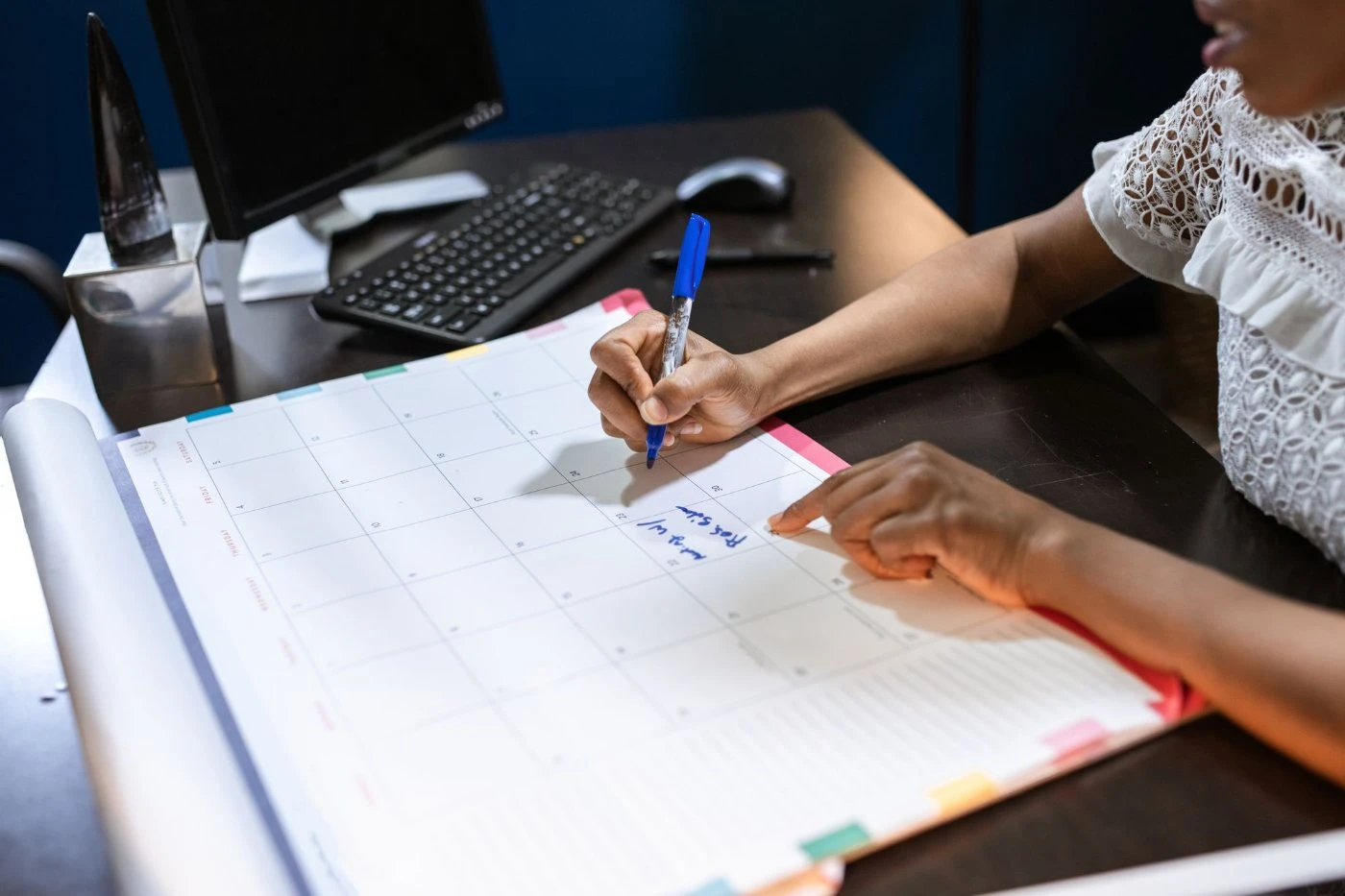
Comments 04
Be kind. Ama reads every one.This is the first content plan I've actually kept for more than two weeks. The “one idea, five angles” trick changed everything for me.
Love this, Priya! The angles get easier every week. By week four you'll write them in ten minutes.
Question: do you film Wednesday's videos all in one outfit? I worry it looks repetitive.
Saved the table and stuck it on my fridge. Thursday replies have already brought in two commissions. Thank you!